Pereira de Carvalho Palace
Statement of Heritage Significance (Relatório Prévio)
Introduction
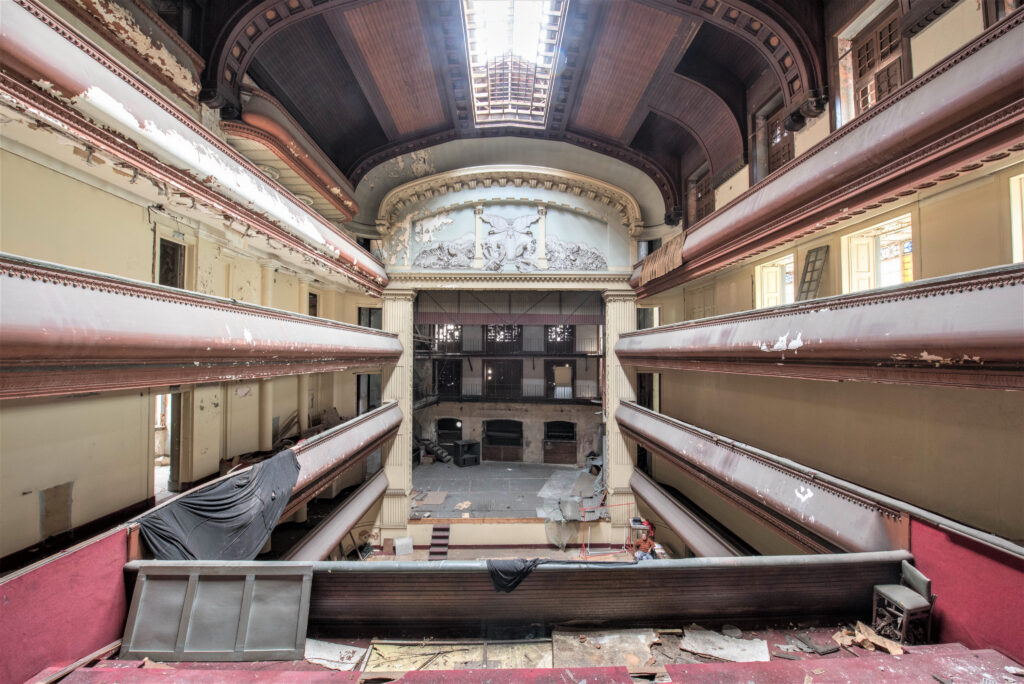
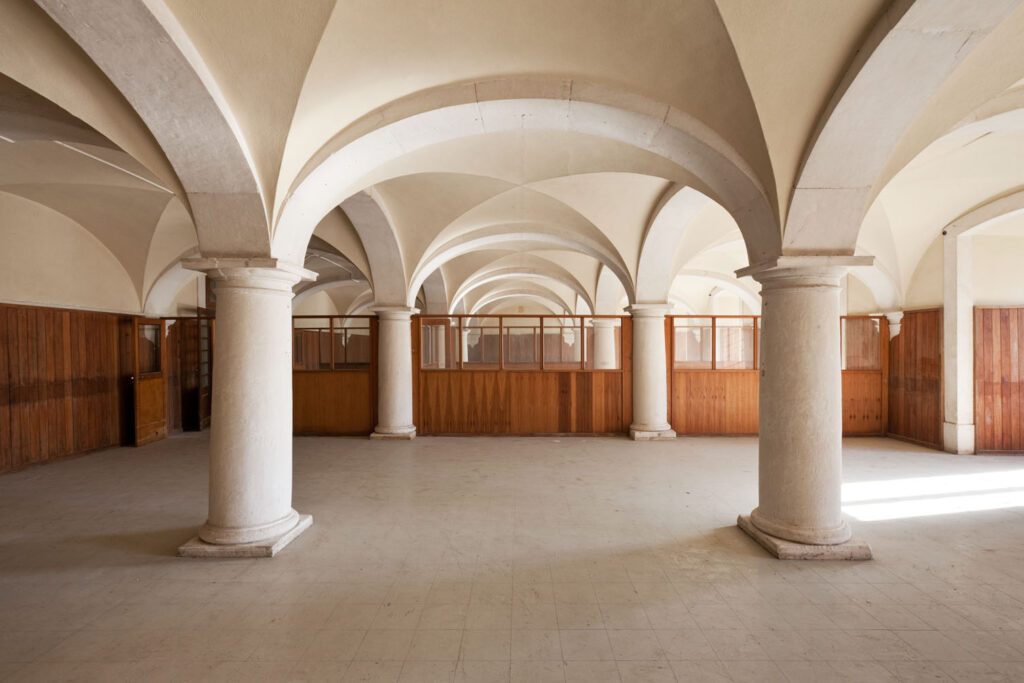
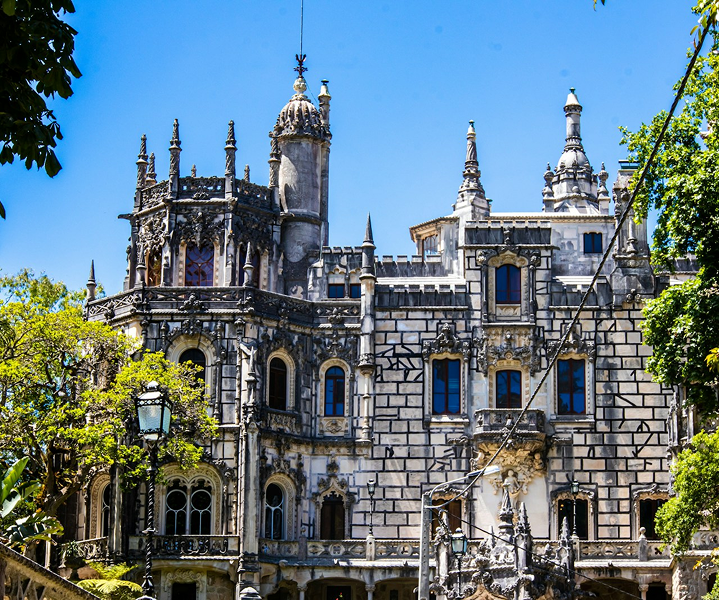
Conservation Practice was commissioned to carry out a Cultural and Heritage Value Assessment of a building located in Pereira de Carvalho Palace, Lisbon. Starting from its current condition, this historical, constructive, and architectural characterization study aims to assess the cultural and architectural value of the building to inform and guide the rehabilitation project by the firm Teresa Nunes da Ponte – Architects.
Historical Background
O Palacete Pereira de Carvalho surge no contexto particular do desenvolvimento da Praça do Príncipe Real, Lisboa, na segunda metade do século XIX, em cujo conjunto urbano se encontra implantado, junto a outros importantes exemplos da arquitectura oitocentista, com destacadas características ecléticas, revivalistas e Beaux-Arts.
O Palacete foi construído entre 1866 e 1868 por António Pereira de Carvalho (c. 1821–1901), acionista e membro do Conselho de Administração da Companhia Real dos Caminhos de Ferro Portugueses, onde desempenhou vários cargos entre 1875 e 1891.
Após o falecimento de Pereira de Carvalho em 1901, o palacete passou por vários proprietários e foi alvo de algumas alterações. Entre 1928 e 1930, acolheu as Legações da Polónia e da Roménia. Nas décadas de 1950 e 1960, foi ocupado por serviços do Ministério do Ultramar, já sob posse de um novo proprietário.
Project / Study
This work involved a multidisciplinary approach, including analysis of the archaeological heritage, historical and architectural development, decoration, state of conservation and legal protection.
Considering the various aspects addressed, a proposal for the morphological evolution of this built ensemble has been established, from the 19th century to the present day, aiming (as far as possible) to systematize the architectural development of the property from its origins. A chromatic scheme is also presented, considering the cultural, architectural, and urban value, intended to serve as a reference for interventions in the built ensemble, with a view to safeguarding its notable elements.
The analysis presented is based on a detailed assessment of the historical and urban evolution of the property and its direct observation, complemented by consultation of the main municipal archives, to assess its current heritage value.
Outcome
The rehabilitation project is currently under development by Teresa Nunes da Ponte – Architects.